 Tableau | Data visualisation | Data prep
 Map layers Multiple data sources - Tableau 2021.4 - I mapped every road & bus stop in Central London
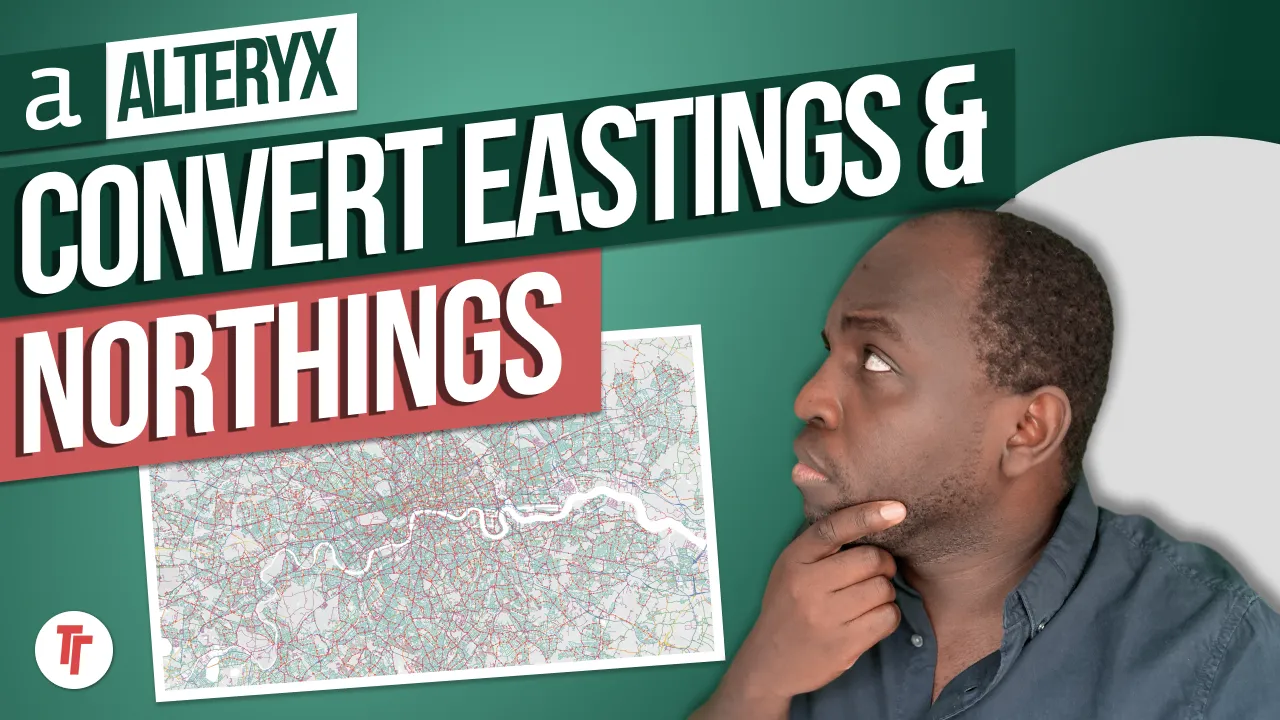
Tableau 2021.4 lets you layer two separate spatial sources on one map with zero data prep, so I mapped every road and bus stop in central London.
- In Tableau 2021.4 you can layer spatial data from two separate sources directly, without relationships, unions or prior data modelling
- UK Eastings/Northings map to longitude/latitude respectively, and MAKEPOINT() needs the coordinate system code (EPSG:27700 for British National Grid), which you can look up on the EPSG website
- Running MAKEPOINT() on a very large CSV cripples performance, so pre-processing with Alteryx's Create Points tool and writing out a hyper extract is far faster
- Adding the road number or stop name to the Detail shelf makes individual roads and points selectable rather than aggregated into one mark
- Use Map Layers controls to lock a background layer so hovering over it doesn't activate selection, keeping context layers passive beneath your main data
- New multi-source map layers feature0:00
- The data: OS roads and TfL bus stops0:52
- MAKEPOINT and the Eastings/Northings problem1:59
- Performance issues on the large CSV6:26
- Pre-processing bus data in Alteryx6:41
- Connecting the hyper extract in Tableau8:06
- Adding the road shapefile layer8:51
- Filtering roads to A and B roads10:40
- Layering bus stops over roads11:40
- Styling and locking background layers16:17
0:00Hey it's Tim here. In 21.4 you can now use
0:03multiple data sources for map players. Now
0:05that
0:05doesn't sound like an incredibly new
0:07feature but up until now if you wanted to
0:09use two spatial
0:10data sets with map players you had to do
0:12some data mapping essentially to get it all
0:15into one data
0:16set either using relationships, doing some
0:18data prep in something like ortrix or doing
0:20some
0:20modeling elsewhere. Essentially you don't
0:22need to do that anymore you can see here
0:24that I've actually
0:25got a map it consists of red dots and what
0:28is essentially blue and yellow lines these
0:31actually
0:31represent roads in London so the map I'm
0:33looking at is actually London. On the top
0:36left hand side
0:37you can see that I've got my bus data
0:38extract and then on the second data set you
0:40can see I have
0:41something called TQ road link this actually
0:43comes from a company called Ordnance Survey
0:46. If I swipe
0:47over here to the left hand side and
0:48actually go to this first tab you can see
0:50that they have this
0:51open data capability where you can download
0:54data sets from their website here in the UK
0:57. What I've
0:57done is I've downloaded the road data so I
0:59actually downloaded the road network for
1:01the entire UK
1:02and I know having worked with this data set
1:05that TQ actually represents the the grid
1:07square that is
1:08actually London essentially. I've then also
1:11gone and found the TFL bus stop locations
1:14in London so
1:14I've downloaded this open data set and I've
1:16also used that. In this video I'm going to
1:19show you how
1:19to bring these two data sets together to
1:21make this map without having to do any sort
1:24of data prep
1:24essentially keeping them as two separate
1:26data sources. Let's get stuck in. Okay so
1:29here I am,
1:30I'm in tableau nothing's been created
1:32everything's pretty much good to go. What I
1:35'm going to do is
1:35I'm going to connect to my bus data because
1:37I want to highlight a small problem that I
1:39stumbled
1:39across at least in the early version of
1:41this release. If I go over to the
1:43particular file
1:44in question it's actually a text file and
1:47if I go to the 21.4 demos if I actually go
1:50to my desktop
1:50it's actually there the bus stop data. If I
1:52open it up you can see that it's just a
1:54standard csv
1:55file there's nothing sort of sensational
1:57about this. Now in the UK we have a
1:59different sort of
2:00grid system it's called I don't actually
2:02know what it's called but it uses something
2:04called
2:04Eastings and Northings okay and this sort
2:07of confuses me all the time. In essence
2:10Northings
2:11refer to latitude and Eastings refer to
2:13longitude essentially but if I actually try
2:16and use tableau's
2:18built-in make point capability to convert
2:20this to latitude and longitude which is
2:22what I can then
2:23use to visualize it because it's a really
2:25large text file the performance of this
2:27just sort of
2:28goes through the floor. So I'm just going
2:29to show you this function working first
2:31with a filter data
2:32set so you can see that it does work but
2:34then I'm going to show you how I actually
2:35resolve this
2:36using altrix. So here we go we're going to
2:38go in here and what I'm going to do is I'm
2:40going to grab
2:40stop area and I'm immediately going to
2:42filter it to maybe just two pacific areas
2:44hit apply hit ok.
2:46The next thing I'm going to do is create
2:47the make point function so I'm going to go
2:50here and create
2:51calculated field and you can see that I
2:52have the Easting here I actually need the
2:54Northern first
2:55but what I'll do is I'll go ahead and I'll
2:58sort of make this bigger to read as well as
3:01just making it
3:01larger so we can see it on the screen here
3:04and then I'll open this little arrow here
3:06on the left
3:07hand side and the right hand side go to the
3:09spatial functions which are just there and
3:12you
3:12can see that there's this make point
3:14function that I can use to convert this
3:16into the relevant
3:17sort of latitude and longitude that I need
3:19because we don't have that what we need to
3:21do is specify
3:22the code for our coordinate system. So let
3:24's use this function so it's going to be a
3:27make point
3:27and once we've done make point you want the
3:30northing northing represents latitude I
3:33believe
3:34so let's just first go with northing then a
3:37comma Easting and then what I now need is
3:41the code now
3:41I never remember the code there's a website
3:43that has all of this but in essence I've
3:45got this blog
3:46here which is the first thing I googled
3:48from the data school in the UK it's called
3:51the EPSG27700.
3:54There's actually a really good website that
3:56has this if I just grab this and I just
3:57type in
3:58EPSG you can see that it actually comes up
4:01and you can actually search these codes for
4:04pretty much
4:04any country in the world so if you come
4:06across the coordinate systems that you're
4:08not sure about
4:08you can actually just type in the code hit
4:10search and it will come up with the
4:12actually that I did
4:13the wrong thing there if I just type in the
4:15code itself and you can see that it comes
4:17up with a
4:17relevant coordinate system but I know this
4:20is the right code what you can also do is
4:21just type in
4:22the United Kingdom and it will search for
4:24all the coordinate systems that might exist
4:27that are being
4:28used by different people in the United
4:30Kingdom of course the one we want here
4:31comes up at the top
4:33and what you need is this code here 27700
4:36so we're going to copy that we're going to
4:38go back to our
4:38calculation and that is the number we're
4:40going to paste right at the end of this
4:42makepoint function
4:43and if I just call this a point because
4:45essentially what the makepoint does is it
4:47takes the x and the
4:48y coordinate and creates a point on a
4:50spatial map so we can go ahead hit apply
4:53hit ok and if we now
4:54visualize these points you'll see that we
4:57get one two three four five six points here
4:59and we can
5:00separate these out by giving them a name
5:03and putting that on detail so now each stop
5:06here
5:06will have its own detail and you can kind
5:08of select that now the challenge we've got
5:10here
5:10if I just zoom out here and go to map
5:12layers and we can see that the map layer
5:15here is not really
5:16helpful so let's go to streets and you can
5:18see that it's it's it's actually I think it
5:20's put us
5:20in the middle of nowhere let's just zoom
5:22out and you can see this is just completely
5:24wrong isn't it
5:25it's put us in I don't know that I can't
5:28believe there's a bus stop in the middle of
5:31the ocean so
5:32this this looks suspicious to me um when I
5:35tried this earlier it was not there I
5:37wonder if I've got
5:38the easting and northing the wrong way
5:40around let me just double check so location
5:42northing location
5:43easting this should be let's check the make
5:46point function so latitude and longitude
5:49let's go over
5:50here and let's just look at this um I'm
5:52just going to google this make sure that I
5:55've got this right
5:56easting northing latitude longitude google
6:00is the answer for pretty much everything
6:03here so
6:03latitude is denoted by northing and okay I
6:06think I did put them the wrong way around
6:08so latitude
6:10is denoted by northing no I put them the
6:12correct way around and longitude is denoted
6:14by easting
6:15so uh and longitude is made by easting x
6:17yeah so I've got these the right way around
6:20I don't know
6:20what's happening we'll just carry on and
6:23assume this is okay um the long and story
6:25short of it is
6:26if I then remove this filter and I try and
6:29run this on this entire data set it grinds
6:31to a halt
6:32everything sort of freezes up the main
6:34reason is is that function's got to run on
6:36this text file
6:37even if I take an extract from the csv it
6:38takes a while so that's not going to be
6:40great for this
6:41video so what I did is I actually put the
6:43same data set into altrix so this is altrix
6:46you can
6:46see this is um ready set up I've got my
6:49same bus stop data I've got a um create
6:51point function here
6:53and all I've done with the create point
6:55function is I've put in the location of the
6:57easting location
6:58of the northing and you can see that I've
7:00actually got these um I've got these set up
7:02differently
7:02actually to how I had them in tableau so
7:04that might explain why things are going the
7:06wrong way
7:07around I can never remember it but if you
7:08're stuck just google it and then in altrix
7:10you've got this
7:11capability to select a projection I've
7:13selected the correct projection if you're
7:16not sure you
7:16can always search it yourself but you can
7:19see here it says epsg27700 and then when I
7:22run the
7:22flow it basically writes out a hyper file
7:24and you can actually see the output all the
7:26data points
7:27are now here available and there's 19,801
7:30records so there's 19,801 bus stops in the
7:33London area
7:34I'm not sure how many of them are active
7:35but nonetheless we're going to be able to
7:37visualize
7:37them very soon so here we are we have the
7:39data and I'm outputting it to a hyper file
7:42and just for
7:43reference what I'll do is I'll disconnect
7:44this particular file because I don't need
7:46it to to
7:46write again um I just disconnect this all
7:48together because I don't need this to write
7:50but what I'll
7:50do if I run that you can see how quickly
7:53altrix run that file it's super fast so you
7:55know in some
7:56cases you're going to be better off doing
7:58some data prep outside of tableau or
7:59outside something else
8:01before you get to the next step okay let's
8:03jump back to tableau and carry on making
8:05this map
8:06so what I've done is I've gone back to
8:08tableau here what I'm going to do is I'm
8:10going to close
8:10this I'm going to delete the sheet first so
8:12just we don't get like an error it's not
8:14going to let
8:15me because there's no other sheet so what I
8:16'll do is I'll create a new sheet then I'll
8:18go in and
8:18delete it and that will just clear it and
8:20now we can close this connection to the csv
8:23and instead
8:23we can connect to this hyper file so let's
8:25go ahead and connect to this bus data you
8:27can see
8:28that it's been created there and now we're
8:30in everything opens really really quickly
8:32and if we
8:32go to sheet number two you can see that we
8:34now have this centroid which if I just
8:36double click it
8:37loads instantly so you can see it works
8:39much faster now that the data has been pre-
8:41processed
8:41and I'm working off an extract even though
8:44the icon doesn't say I'm actually reading
8:46live from
8:47an extract so that's why it looks like that
8:49now we've done this we need to bring in our
8:52second
8:52data set and for this we need to go and get
8:54the open road street roadmaps essentially
8:57now
8:57if I go back to my ordnance server website
8:59you can download lots of different things
9:01the data
9:02that I specifically downloaded was os open
9:04roads and they've got like a standard terms
9:07of usage
9:08so I think it's important that I mentioned
9:10that I'm using this data set as part of
9:11that
9:11particular standard use but nonetheless now
9:14that I've downloaded everything I can just
9:16go ahead
9:17and connect to the relevant shape file so
9:19for this I need to go to tableau select
9:21spatial file
9:22and now that I'm here in 21.4 demos I've
9:25got the folder that came from open ordnance
9:28survey even
9:29and I can go to the data folder and I
9:31personally know that tq represents the
9:33London area so let's
9:34go ahead and find the tq shape files now
9:37there's actually several types of shape
9:40files for the road
9:40network the one I'm interested in is the
9:43road link and not the road node the road
9:46node just I
9:47think represents the points at which sort
9:49of the roads connect but the road link
9:50actually shows you
9:51the road so if I go ahead and open that you
9:53'll see that tableau reads their shape file
9:55and because
9:56it's a shape file actually shows me all the
9:57other shape files in here so I could bring
9:59more shape
10:00files in I don't need to do that I don't
10:01need to sort of union these and get
10:03something crazy going
10:04on you could do that I wonder maybe that's
10:06another video how many shape files can
10:08tableau handle
10:09we'll try and test it out but nonetheless
10:12if I go to sheet two you'll see that I now
10:14have two
10:14data sources here on the top left connected
10:17what I'll do is I'll go to the second sheet
10:20the third
10:20sheet in this case and I'll just show you
10:22the geometry so we'll double click the
10:23geometry and
10:24we'll sort of push tableau a bit to its
10:26limit and make it load all these roads this
10:29actually works
10:30it shouldn't take too long my computer is
10:32fairly powerful so it shouldn't have any
10:34issues doing
10:35this so we'll just give it some time and
10:37there you go it's loaded the entire road
10:39network for the
10:40southeast this is the tq zone of the entire
10:42uk now this is not a manageable data set if
10:45you think
10:46about how many roads are represented in
10:47this data set it's actually crazy so what
10:49we're going to do
10:50is we're going to filter this down a little
10:52bit just so we can work with it so let's go
10:54ahead and
10:55put the function filter in the filters and
10:57we're just going to select a and b roads
10:59these are the
10:59major roads here in the uk hit apply and
11:02then hit ok oh actually apply is fine and
11:04now we've got a
11:05more manageable sort of set of data so you
11:07can see the two constituent sets of data
11:09that we want to
11:10work with for the record if i add the road
11:13number onto detail then each of these
11:15individual roads
11:16actually become selectable and what we can
11:18actually do is put the function on color so
11:21we
11:21can see the main roads and the b roads
11:22essentially b roads are linked between the
11:24a roads and the a
11:25roads are typically used to get you from
11:27one place to another and around london they
11:29sort of coalesce
11:30and they sort of go outwards essentially so
11:32if i had other quadrants and regions you
11:34could sort
11:34of see them uh sort of make the map but all
11:37we're really interested in here is london
11:39okay so what
11:40i'm now going to do is bring these two
11:41together you can see that i haven't done
11:43any data prep
11:44between them in a new sheet i'm going to
11:45start building that final visualization
11:47that i showed
11:48you so here i am on a new sheet um what i'm
11:50now going to do is just start working with
11:53these two
11:53data so you can actually see how this
11:55feature works so again i'll repeat that
11:57step i just made
11:58uh we're going to bring in all the roads
12:00because it's cached it's loaded a little
12:02bit it's loaded
12:03a little bit faster and what we can now do
12:06i'm going to filter this again to just the
12:08a and b
12:09road so let's just keep all those roads and
12:11remember the question we're trying to
12:13answer
12:13here is we're trying to see where the bus
12:15stops are in relation to the roads it's a
12:16very simple
12:17question there's nothing sort of too
12:19complex i'll put function on color so we
12:20can see where the main
12:21roads are and for this um if i just if i
12:24just do this let's let's uh let's just do
12:26this and if i
12:27just select uh i've just drawn a circle
12:30here and you can see it sort of see it's
12:32just around london
12:33so i'll just bring this out and if i just
12:35select those you see that it kind of does
12:37select them
12:37now that didn't work because again i haven
12:39't put the road name or road number on
12:41detail so if i
12:42put that on detail then try and draw my
12:44circle again you can see this works a lot
12:46better and
12:47now you can see it's selecting the roads
12:49now some roads go all the way into london
12:51from central
12:52london that makes sense again as i
12:54described before i'm actually going to keep
12:57all of these
12:57so i'm going to right click and keep only
12:59these roads in my visualization so you can
13:01see it's
13:01filtered out all the other roads and then
13:04what i can do is i can just sort of zoom in
13:06here
13:07and just move my map in to where i'm
13:09actually interested in analyzing so let's
13:11just sort of
13:12move it here okay so this is about right we
13:14're going to keep it like this now the next
13:16thing i
13:16want to do is bring in my bus data and this
13:18is the really cool thing here if i just go
13:20in and
13:21i essentially start dragging my centroid
13:23you'll see that the bus data allows me to
13:25add to another
13:26map layer without doing any sort of complex
13:28linking to the previous data set so it is a
13:31sort of blend in a way it is working like a
13:33blend if i go to my tq road link you'll see
13:36that there's
13:36no sort of linkage but it's just
13:38understanding that these two things are
13:40working in the same
13:41geographical context and it's just layering
13:43the two things on top of each other so what
13:45this
13:45allows you to do is essentially use spatial
13:48data as a way of adding context let's keep
13:50pushing on
13:51with the bus data so um at the moment i've
13:54got them both as maps what i want to do is
13:56make the
13:57bus data circles and make the road data
13:59just like a normal background area so um
14:02what i'll do for
14:03this is i'll go to this automatic selection
14:05here and i'll turn it to a circle and you
14:07'll see that
14:08nothing happens because essentially what i
14:10haven't done is put anything on level of
14:12detail
14:12that can distinguish all of these bus
14:14points so at the moment we just have this
14:16little gray circle
14:17you can't see it there but there it is that
14:19's basically the average of all of these
14:21places in
14:21one place there's sort of no nothing to
14:24separate the data out so what i can then do
14:26is i can then
14:27if i just go back to my bus data here i can
14:30then get the stop name and put that on
14:33detail
14:34and boom you should get all the bus stops
14:36coming out so this was the right area to
14:38sort of zoom
14:38into we can see that we did a fairly good
14:40job of that what i'll do is i'll make it
14:42red just to make
14:43it easier to see and i'll put the size down
14:45a little bit so we can see that these are
14:47really
14:48really tiny points now of course what i
14:50haven't done in here is mapped the bus
14:53stops that are
14:54only on a and b roads remember that's what
14:56my sort of filter here is doing but
14:58nonetheless you
14:59can start to see how this is working and if
15:01i start to zoom in go right into central l
15:04ondon
15:04and just get the little cursor here i could
15:06use a spacebar to do this but it's kind of
15:09hard when
15:09you're recording a video and then we have
15:11this essentially so we have the bus stop
15:13sort of
15:14plotted over the different things now what
15:16we could do is we could start putting some
15:19of the
15:19road information back now that we've sort
15:21of narrowed in on what we want to see
15:23and what i'll do is i'll just actually
15:25remove this filter here at the top and what
15:27we should see is
15:29that the road functions come back so let's
15:31just give it a moment and boom there we go
15:34that's the
15:34whole entire road network that's come back
15:36and it's now a little bit hard to see where
15:38the bus
15:39stops actually are because it's the road
15:41network is crazy here in tableau it's just
15:43it's amazing
15:44but how amazing is it that tableau is doing
15:46this like this is just nuts i'm working
15:48with an
15:49incredible amount of data and obviously the
15:51interaction is a little bit slow but it's
15:54not
15:55my computer is also very very capable for
15:57the record so it's it's more than able to
15:59sort of
15:59keep up with sort of the demands here but
16:02if you sort of narrow in on a very small
16:04part of london
16:05you can get this incredible level of
16:08fidelity and map out what is essentially
16:11really really complex
16:12networks here using open data as well this
16:14is a really sort of powerful thing now the
16:17last thing
16:17i want to do is just dial down the road
16:19maps a little bit just make them a little
16:21bit more faded
16:23so they go off into the background there
16:25you go and then our bus stops stay on top
16:27and then what
16:27i'm going to do because i don't want i don
16:29't want to select the whole entire map every
16:31time i move
16:32over a single road so what i'll do because
16:34i'm just using it as a background context
16:37is i'll
16:37actually go to my map layers function so if
16:39i just hover over the map options you'll
16:41see that it kind
16:41of activates the map in the background but
16:44if i select control map layers i can
16:46actually lock
16:47these down so that they don't do that so
16:49what i'm going to do is lock the road
16:50network so that now
16:52when i hover over them you see it doesn't
16:53activate the map it becomes something sort
16:56of nice and easy
16:57to use and then i can go back to my centro
16:59ids here for the bus stops and bump up the
17:02size a little
17:02bit and we can make these a little bit more
17:05easier to see okay so this is pretty much
17:07it this is what
17:08i was trying to build and this is what the
17:10new feature in tableau enables it's a
17:12really really
17:13awesome little example what i'll do is i'll
17:15publish this up to tableau public so check
17:18it out in the
17:18description below so you can have a play
17:20with it download it fair warning this is a
17:22really large
17:23data set i've got a fairly capable computer
17:26so if you do download this on a desktop and
17:29you're using
17:30live connections make sure you take
17:32extracts of these or the package workbook
17:33will have that in
17:34there anyway and you can play around with
17:36this and just try and see how this works
17:38but maybe this has
17:39given you an idea maybe you've got several
17:42data sets that can add context to your map
17:44and then you
17:45can use your main data set as the top layer
17:47and you can disable all of that context as
17:49you see
17:49i've done here i can hover over this dot
17:51here and i can see the names of the bus
17:53stop maybe i've got
17:54information about each of these bus stops
17:56for example the average wait time so when
17:58you hover
17:59over this you get a nice little chart
18:01showing you the average wait time at each
18:02of these stops and
18:03you can start to tell stories in a really
18:05interesting way anyway i think this is
18:07really
18:07cool let me know what you think in this uh
18:09uh video in the comments below in the
18:10description
18:11it's a bit of a long one but it took a
18:13while to set everything up and i just
18:14wanted to make sure
18:15that i covered all the steps thank you for
18:17watching and check out some more videos on
18:1921.4 that i'll be releasing in due course
18:24take care
In this video, I put the new feature in Tableau 2021.4 to the test by visualising every Bus stop and every road in Central London using 2 data sets from the Ordnance Survey and TFL (Transport from London). We hit some snags with some performance issues so we also used Alteryx (in a separate video).
Viz on tableau Public: https://j.mp/31tMX3y
Data from Ordnance Survey Data Hub: https://osdatahub.os.uk/downloads/open TFL: https://data.london.gov.uk/dataset/tfl-bus-stop-locations-and-routes
Tableau Release notes: The capability of adding an unlimited number of layers to your map visualisation just got more powerful. With support for multiple data sources in map layers, you can now analyse more data in the context of one another. For example, you can build a map that shows your retail stores’ location, accessibility, population and revenue – all coming from different data sources.
0:00 - Intro 01:28 - Setting up 03:18 - Makepoint function for projection conversion 06:46 - Alteryx Workflow to do the same thing 08:06 - Swapping to my Alteryx data set. 08:52 - Bringing in our Road data 11:50 - Building out the road network 13:53 - Bringing them together 15:37 - Tidying up